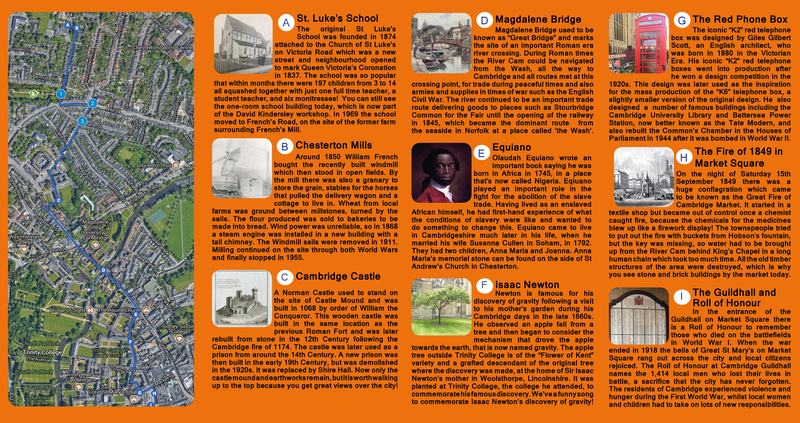
This walking trail will lead you from St. Luke's Primary School gate down Castle Hill and into the Market place in the heart of Cambridge, exploring the important stories along the way including Chesterton Mills next to the school, tales of World War I , the iconic Red Phone Box, the Abolition of the Slave Trade, Newton's discoveries, the Castle and Prison that used to sit on Castle Mound and much more!
You can see a preview or the trail and route below or download a pdf version HERE
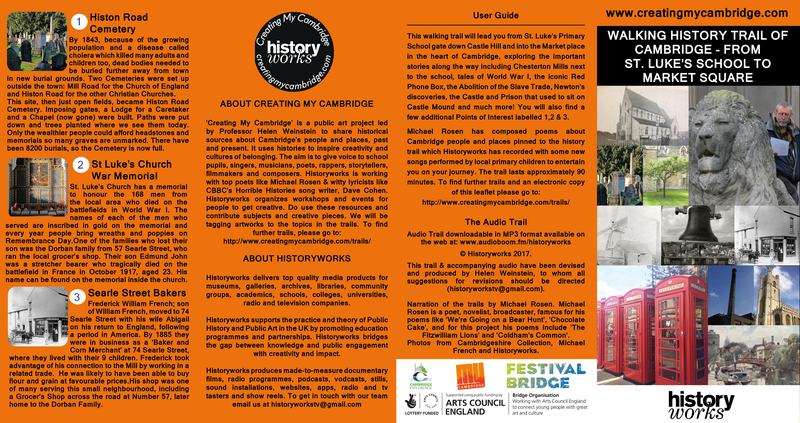
Michael Rosen has composed poems about Cambridge people and places pinned to the history trail which Historyworks has recorded with some new songs performed by local primary children to entertain you on your journey. The trail lasts approximately 90 minutes.
Audio Trail downloadable in MP3 format available on the web at: www.audioboom.fm/historyworks
© Historyworks 2017.
This trail & accompanying audio have been devised and produced by Helen Weinstein, to whom all suggestions for revisions should be directed (historyworkstv@gmail.com).
Narration of the trails by Michael Rosen. Michael Rosen is a poet, novelist, broadcaster, famous for his poems like 'We're Going on a Bear Hunt', 'Chocolate Cake', and for this project his poems include 'The Fitzwilliam Lions' and 'Coldham's Common'.
Photos from Cambridgeshire Collection, Michael French and Historyworks.
-
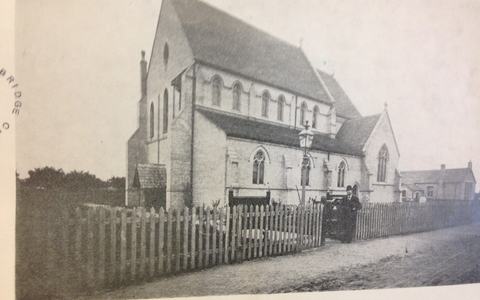
A) St. Luke's - Victorian School
<p><span>The original St Luke’s School was founded in 1874 attached to the Church of St Luke’s on Victoria Road which was a new street and neighbourhood …
-
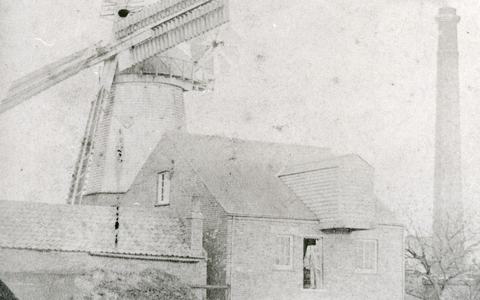
B) Chesterton Mills
<p>Around 1850 William French bought the recently built windmill which then stood in open fields. By the mill there was also a granary to store the …
-
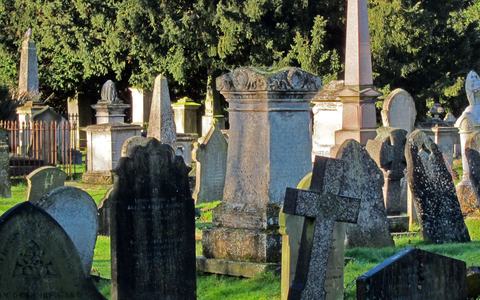
Histon Road Cemetery
<p><span>By 1843, because of the growing population and a disease called cholera which killed many adults and children too, dead bodies needed to be buried further …
-
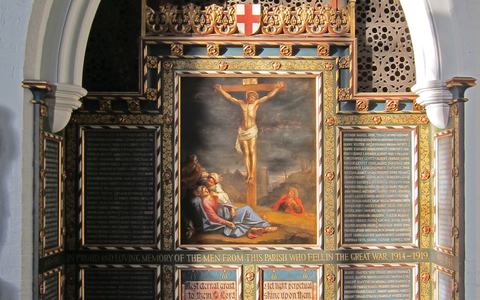
St Luke's Church War Memorial
<p>St. Luke’s Church has a memorial to honour the 168 men from the local area who died on the battlefields in World War I. <span>The names …
-
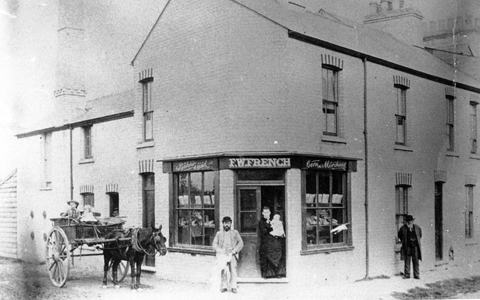
Searle Street Bakers
<p>Frederick William French; son of William French, moved to 74 Searle Street with his wife Abigail on his return to England, following a period in America. …
-
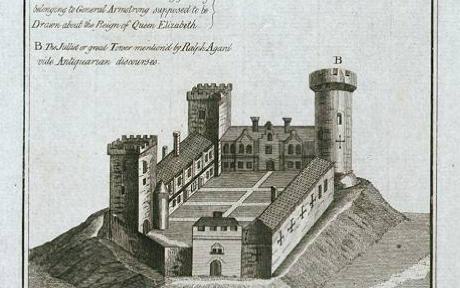
F) Cambridge Castle
<p>A Norman Castle used to stand on the site of Castle Mound and was built in 1068 by order of William the Conqueror. This wooden castle …
-
F) Castle Hill and the Prison
<p>A Norman Castle used to stand on the site of Castle Mound and was built in 1068 by order of William the Conqueror. This wooden castle …
-
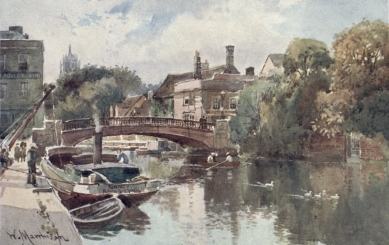
G) Magdalene Bridge
<p><span>Magdalene Bridge used to be known as “Great Bridge” and marks the site of an important Roman era river crossing. During Roman times the River Cam …
-
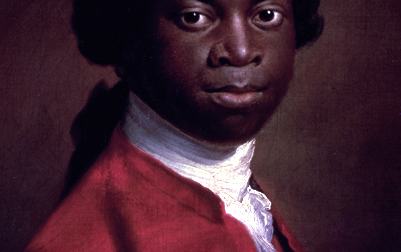
H) Equiano
<p><span>Olaudah Equiano wrote an important book saying he was born in Africa in 1745</span>, in a place that’s now called Nigeria. Eqiuano played an important role …
-
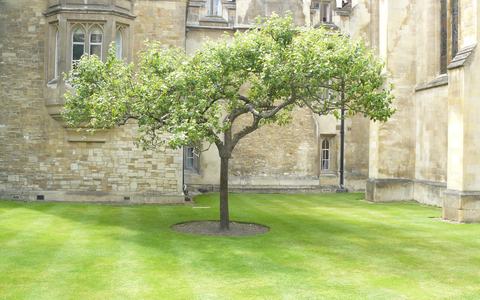
I) Isaac Newton
<p>Newton is famous for his discovery of gravity following a visit to his mother's garden during his Cambridge days in the late 1660s. He observed an …
-
I) Isaac Newton
<p>Newton is famous for his role in discovering of gravity following a visit to his mother's garden during his Cambridge days in the late 1660s. He …
-
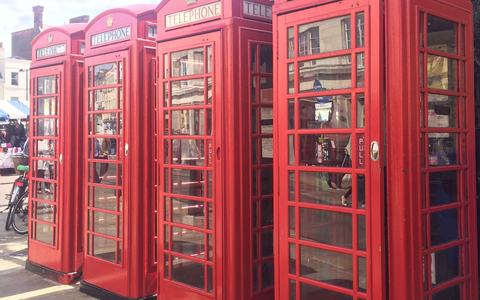
J) The Red Phone Box
<p>The iconic “K2” red telephone box was designed by Giles Gilbert Scott, an English architect, who was born in 1880 in the Victorian Era. His iconic …
-
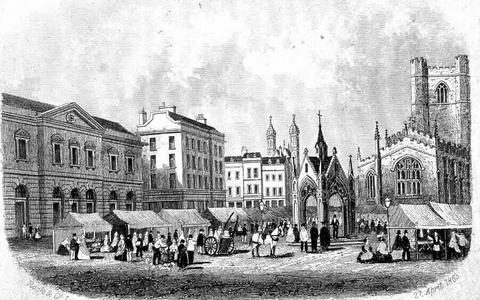
K) The Fire of 1849 in Market Square
<p>On the night of Saturday 15th September 1849 there was a huge conflagration which came to be known as the Great Fire of Cambridge Market. It …
-
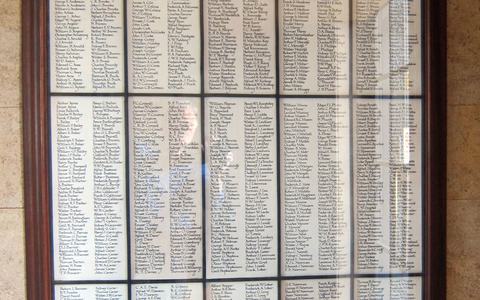
The Guildhall and Roll of Honour
<p><span>In the entrance of the Guildhall on Market Square there is a Roll of Honour to remember those who died on the battlefields in World War …
-
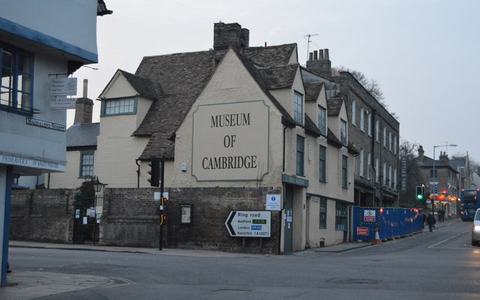
Museum of Cambridge
<p><span>The Museum of Cambridge was originally a timber framed coach inn called the ‘White Horse Inn’ at the bottom of Castle Street when horses were the …
-
Other Points of Interest